The hidden cost of broken promises: why delivery reliability beats discounts this peak season


Last updated:
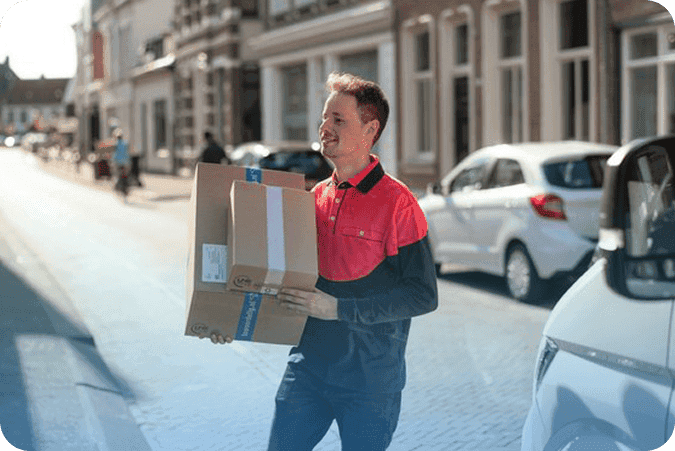
Discounts may win the order, but reliable delivery earns loyalty. Learn how to protect customer trust and keep delivery promises this peak season.
Peak season puts every delivery promise under pressure. Carrier capacity tightens, merchants may be tempted to overpromise to win the sale, and consumers still expect control over when, where, and how their orders arrive. In that environment, rule #1 is simple: make a delivery promise you can keep.
According to Sendcloud’s 2026 Peak Season Index, flashy deals can't make up for broken delivery promises. And with Black Friday week volumes 74% above an average week, retailers face an even bigger challenge to get delivery right.
What happens between checkout and doorstep (or locker) can define whether shoppers come back or walk away. In fact, roughly 1 in 3 consumers say they didn’t reorder after a single delivery problem.
In this article, we’ll explore why delivery reliability matters more than discounts in 2026, what broken delivery promises mean for customer loyalty, and how retailers can protect trust during the busiest shopping period of the year.
The 2026 peak season forecast: volume, speed, and risks retailers must prepare for
Peak season creates a predictable pressure pattern: parcel volumes rise, carrier capacity tightens, and delivery performance comes under strain.
Peak season 2026 will put Europe's delivery networks under more pressure than last year. According to Sendcloud platform data, parcel volumes in Black Friday week (27 November) will be 74% above an average week.
The pressure doesn't stop after one weekend. Cyber Monday (30 November) is set to be the busiest day again, because the parcels ordered over Black Friday weekend get processed that Monday. Cyber Monday week comes in at +68%, and volumes stay more than 55% above average through 20 December.
That pressure stretches delivery networks. Across Europe, about half of parcels took longer than a day to arrive in December 2025, against about 4 in 10 in October. If you promised next-day delivery, that gap is where the promise breaks.
The key implication is the same: when networks are under pressure, retailers need to adjust the promises they make before those promises become customer disappointments.

France, Spain, and Italy are likely to experience the longest delays again. In December 2025, about 7 in 10 parcels in Italy took longer than a day to arrive, more than half in Spain, and 3 in 4 in France. Austria, at nearly 6 in 10, also sits among the slower markets.
Even in the Netherlands, Belgium, Germany, and the UK, where delivery times are usually quicker, consumers should expect slower service as demand peaks: roughly 4 to 5 in 10 parcels took longer than a day. For retailers promising fast delivery, these delays can quickly lead to disappointed customers.
Retailers cannot remove peak pressure, but they can prepare for it. The goal is to understand where pressure is building, set promises the operation can keep, and have alternatives ready when carrier networks tighten. Because when delivery promises break, it's customer trust that's at stake. Explore more practical advice in our peak shipping season guide.
Missed delivery promises drive shoppers away
According to our 2026 E-commerce Delivery Compass, delivery problems are already widespread: 77% of consumers experienced at least one delivery issue with their last order. And the consequences can last beyond a single shipment: 29% didn’t reorder after one delivery problem in the past six months. Late delivery is the number one cited reason for leaving for good, at 26%.
The delivery experience can determine whether a shopper comes back or walks away.
Our first rule for peak season 2026 is simple: keep the delivery promise you make. Discounts may win the click, but what happens after checkout shapes whether that shopper comes back. After all, what good is a discount if the gift doesn’t arrive on time? Spotting bottlenecks in carrier capacity, fulfillment, or last-mile delivery before the rush helps stop operational pressure from becoming a broken customer promise.
Merchants may be tempted to offer next-day delivery to win the sale, even while carrier networks are under pressure. But an ambitious promise only helps if the operation can keep it.
The message is simple: a missed delivery is a broken promise. During peak season, what happens between checkout and doorstep can determine whether a shopper comes back or walks away. Instead of competing on “fastest delivery” claims, retailers should make clear, realistic promises at checkout and keep customers informed throughout delivery.
Reliability matters more than price and speed
This holiday season, reliability outweighs both price and speed. According to last year’s peak season survey conducted among Dutch and French consumers, more than half of consumers believe delivery reliability matters more than the cost of the product itself. While on Sendcloud’s 2026 consumer survey, 27% of European consumers say arriving on time is what separates an acceptable delivery from a great one, ahead of fast delivery, at 20%.
The important distinction is not simply fast versus slow delivery. It is whether the promise a retailer makes matches the experience the customer actually receives.
Shoppers may understand that peak season puts networks under pressure, but that does not make the delivery experience emotionally neutral. Delivery reliability starts with a promise customers can trust and an operation built to keep it.
One way to safeguard promises is by diversifying carriers and offering flexible delivery options at checkout. Providing customers with options, even if some are slower, reduces the risk of last-minute breakdowns and maintains trust.
How retailers can protect delivery reliability this peak season
Retailers cannot control every peak season disruption. They can control the promises they make, the flexibility they build into delivery, and how quickly they communicate when circumstances change.
Be realistic about delivery times
Don’t overpromise on “next-day” if you can’t deliver it. Consumers would rather hear the truth than be disappointed. Set delivery windows you know you can meet, even if that means building in an extra buffer day during December.
Use shipping performance data to spot bottlenecks before they become broken promises. Comparing on-time delivery, exceptions, and transit times can help teams choose the right carrier mix and set more realistic delivery expectations.
Offer multiple delivery options
Consumers expect control over when, where, and how their holiday orders arrive. Offering home delivery, lockers, and pick-up points gives shoppers more flexibility while giving retailers more ways to keep the delivery promise.
The data backs up the value of choice: 51% of consumers say they are more likely to complete a purchase when multiple delivery options are shown, while 45% opted for a service point, parcel locker, or local shop collection.
For retailers, this means fewer “where is my order?” calls and happier customers. Integrating carriers that support lockers and pick-up networks can be a smart move to spread peak volume more evenly.
Communicate proactively about delays
Delays happen: carrier networks tighten, weather disrupts schedules, and peak volumes create bottlenecks. The customer impact depends heavily on what happens next. Silence turns uncertainty into frustration; proactive communication helps protect trust.
The 2026 consumer data reinforces this: 83% find a proactive delay alert useful, while 77% are more loyal to stores that handle problems transparently.
Proactive updates via email or SMS can turn a potentially bad delivery experience into one that still feels transparent and trustworthy. Even a short message like “Your order is delayed but will arrive tomorrow” goes a long way in preserving customer confidence.
Strengthen your customer support
During peak season, customer service becomes the frontline for broken delivery promises. Give teams visibility into shipment issues, standardize how they respond, and automate repetitive carrier communication and claims where possible. Faster, more proactive issue handling can reduce the effort customers face when a delivery does not go to plan.
Plan for the unexpected
Peak season is unpredictable by nature. Build resilience before networks are stretched: connect multiple carriers, monitor performance to spot delays early, and offer flexible delivery options at checkout. The goal is not to promise that nothing will go wrong, it is to give your operation enough flexibility to protect the promise you made.
Conclusion: Rule #1 – protect the promise
Peak season creates pressure to compete on discounts, speed, convenience, and service. But none of those claims help if the delivery promise breaks. Rule #1 is to protect the promise: set an expectation you can meet, choose carriers using performance data, keep alternatives ready, communicate early when something changes, and resolve exceptions without making the customer do the chasing. Discounts can win an order. Delivery reliability helps earn the next one.
For more insights, explore Sendcloud’s 2026 Peak Season Index to see where delivery pressure is building, what shoppers expect, and how retailers can protect loyalty when it matters most.


Author and researcher
Aleyna Ayyildiz is a Content Marketing Intern at Sendcloud, where she creates content around e-commerce, customer experience, and shipping. With a background in International Business and a passion for marketing and communication, she enjoys turning insights into engaging content that helps online retailers connect with their customers and grow their business.

Subject matter expert
As Product Manager at Sendcloud, Stanislav contributes insights on shipping technology, logistics workflows, and product innovation for online retailers.
How much time can you save on shipping?

Share
Recommended for you

Peak Season
Black Friday’s 74% parcel surge puts Europe’s delivery promises under pressure
Sendcloud’s peak season forecast shows volumes 74% above an average week, with delivery promises under strain just as shoppers care most.

Shipping
Integrations
Best Shopify shipping apps: compare features, pricing & automation
Compare the best Shopify shipping apps for automation, carriers, labels, tracking, returns and international shipping. Find the right app for your store.

Shipping Intelligence
Shipping
E-commerce